Most people think about safety in terms of locked doors and security cameras. Those measures protect a home, but they do nothing during a late-night grocery run or a morning jog through a quiet neighborhood. The gap between “safe at home” and “safe everywhere else” is wider than many realize. A keychain alarm, small enough to forget it’s there, fills that gap in a way few other tools can. It costs less than dinner out, requires zero training, and works the instant someone needs it.
How a Personal Alarm Keychain Works
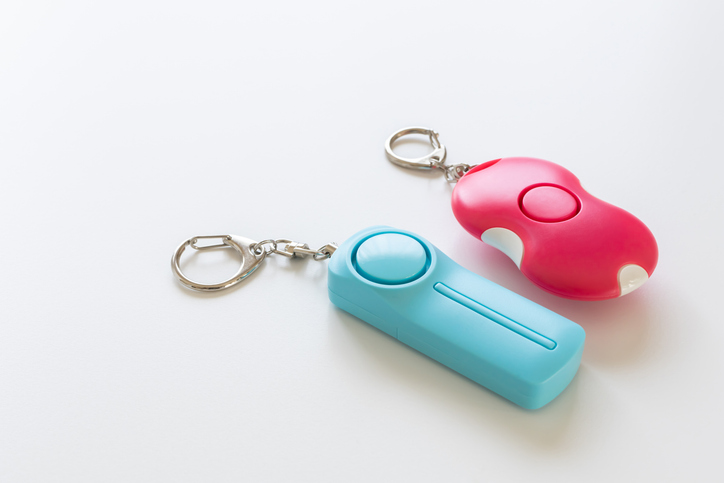
The mechanism is almost too simple to believe. A compact unit hooks onto a key ring or a bag strap. Pull a pin or press a button, and it fires off a piercing tone, typically between 120 and 140 decibels. For reference, a rock concert sits around 120 decibels. That kind of volume can rattle an aggressor and draw the attention of everyone within earshot.
No physical strength is required, no aim, no practice. That accessibility matters for college students walking across campus after a night class, for older adults heading to their car alone, or for anyone who simply wants a non-violent option. Those ready to buy personal alarm keychain online will find a range of modern designs that clip onto purses, lanyards, or belt loops without looking out of place. Carrying one takes almost no effort, which is precisely why there’s little reason to go without.
Why This Device Gets Overlooked
Size Creates a False Perception
A device that can be easily held between two fingers may not seem like a serious form of protection. That instinct is understandable but misleading. Sound-based deterrents work because they create chaos, draw witnesses, and strip away the element of surprise that an attacker relies on. Effectiveness here has nothing to do with physical size.
Overreliance on Smartphones
A phone feels like a safety net, and in many situations it is. But unlocking a screen, finding the right app, and waiting for a dispatcher takes time. Under genuine threat, those seconds vanish. A keychain alarm fires instantly; the surrounding area fills with noise before a confrontation can escalate further.
Lack of Awareness
Personal alarms have never received the same marketing push as pepper sprays or self-defense courses. They sit in a quieter corner of the safety conversation. Many consumers have simply never encountered them as an option, which is less a reflection of the product and more a gap in public awareness.
Situations Where a Keychain Alarm Proves Valuable
A loud, sustained tone does more than startle a potential attacker. Its uses extend across everyday life:
- A solo traveler in an unfamiliar city can keep it on the nightstand or clipped to a jacket.
- Parents sometimes attach alarms to a child’s backpack for peace of mind during school commutes.
- Night-shift workers crossing poorly lit parking areas gain a quick-access noise signal.
- Runners and hikers in remote stretches carry an audible alert that covers a surprising distance.
Each scenario highlights a real, recurring vulnerability that a single affordable device addresses.
What to Consider Before Choosing One
Volume Output
Decibel ratings vary across models. Look for at least 120 decibels; anything softer may not carry well in open or windy conditions. Higher output means a greater chance of reaching bystanders who can help.
Activation Method
Pull-pin designs tend to hold the alarm in place until the pin is reinserted, keeping hands free during a crisis. Push-button versions require continuous pressure, which can be harder to maintain under stress. Either style works, but knowing the difference matters before a real situation arises.
Durability and Battery Life
Daily wear takes a toll on small devices. A water-resistant casing and reliable battery give the alarm staying power through rain, humidity, and months of use. Checking the battery every few months is a small habit worth building.
Portability and Design
The most effective alarm is the one someone actually carries. A bulky or unattractive unit tends to end up in a drawer within a week. Lightweight, visually appealing models that blend with everyday accessories encourage consistent, long-term use.
The Broader Impact of Carrying One
Confidence changes how a person moves through public spaces. Research on crime prevention consistently shows that individuals who appear alert and prepared are less frequently targeted. A visible alarm on a keyring communicates awareness before a single word is spoken. On a broader scale, the broader adoption of these devices contributes to a culture in which personal safety is treated as routine rather than reactive.
Conclusion
A personal alarm keychain is one of those rare products that delivers on a simple promise: immediate, accessible protection with no learning curve. It suits virtually any lifestyle, fits any budget, and activates in a fraction of a second. Leaving one behind means passing up a layer of security that weighs almost nothing and costs even less. Whether the destination is a trail at sunrise or a parking garage after dark, keeping an alarm within reach is a small choice with outsized value. Safety has never needed to be complicated.