You know that feeling when your home is almost right?
Not bad. Not broken. Just… tight. The kitchen becomes a traffic jam every evening. The spare room is part office, part laundry zone, part storage crime scene. Someone is always working at the dining table. Someone else wants quiet. The house still looks fine from the outside, but inside, it feels like your life has outgrown the floor plan.
That is usually when the big question appears: should you go up into the loft, or build out with an extension?
Both can change your home. But they do not change it in the same way.
The Loft Is For Escape
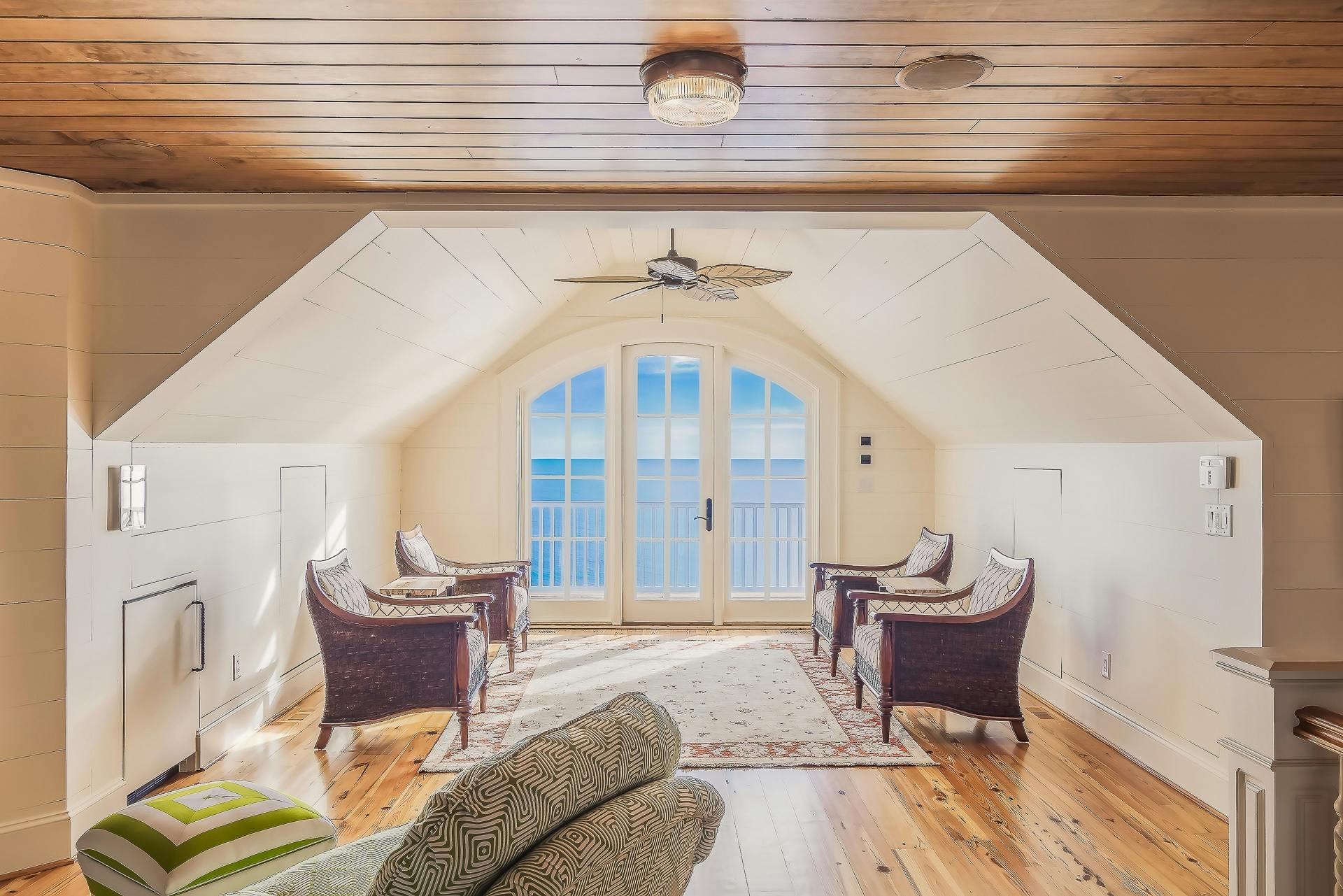
A loft conversion is not just “extra space upstairs.” Done well, it gives your home a completely new layer.
It works beautifully when you need privacy. A calm bedroom. A proper office. A teenage hideaway. A guest room that does not double as a dumping ground. Because it sits away from the busiest part of the house, a loft can feel like a small retreat without needing a bigger plot of land.
That separation is the magic.
Downstairs can stay noisy, social and full of life. Upstairs, under the roof, you can create something quieter. It is especially useful if your ground floor already works, but your bedrooms or workspaces are feeling squeezed.
The catch? A loft has to be planned properly. Head height, stairs, insulation, light and storage all matter. A poorly designed loft feels like an afterthought. A good one feels like the room your house was hiding all along.
The Extension Is For Togetherness
A home extension changes the energy of the house from the ground up.
It is often the better choice when your problem is not privacy, but flow. Think cramped kitchens, dark dining rooms, narrow living areas, or family spaces that force everyone into each other’s way. A rear or side extension can open the house, bring in light, connect the kitchen to the garden and make daily life feel less squeezed.
But bigger is not automatically better.
A modest extension with smart planning can feel far more luxurious than a large box with no soul. The real win is not square metres. It is a movement. Can you cook without people squeezing past you? Can children do homework nearby without taking over the entire room? Can guests sit down without the house feeling like it is gasping for air?
That is what a good extension fixes.
Ask What Your Home Is Really Missing
Before you choose, forget the trend for a moment. Ask yourself what annoys you every single day.
Do you need another bedroom, office or quiet zone? A loft conversion may give you the biggest lifestyle upgrade.
Do you need a better kitchen, dining area, family room or connection to the garden? An extension may change the way the whole house feels.
Do you feel like the entire property is dated, awkward and no longer matching your life? Then you may need more than one new space. You may need a fuller plan that looks at how the home works as a whole.
This is where property refurbishment can be a positive part of the process. It helps connect the new space with the old one, so your loft or extension does not feel like it was simply attached and forgotten about. Flooring, lighting, doors, finishes, storage and layout all need to speak to each other. Otherwise, you end up with one beautiful new room and the rest of the house looking slightly embarrassed.
Think About Light, Not Just Space
People get excited about extra room. Fair enough. But light is often what makes that room worth using.
A loft can bring in beautiful daylight through roof windows or dormers. Because it sits higher, it can feel bright, private and peaceful. Perfect for a workspace or main bedroom.
An extension can also flood your home with light, but only if it is designed carefully. Build out badly and you can make the middle of the house darker than before. That is why roof lanterns, glass doors, internal windows and clever sightlines matter. They are not just pretty details. They stop your “upgrade” from creating a new problem.
A bigger home that feels darker is not better. It is just more expensive.
Budget Is More Than The Quote
It is tempting to ask which is cheaper. But that is not always the smartest question.
A loft conversion may involve structural work, stairs, windows, insulation, electrics and possibly plumbing. An extension may involve foundations, drainage, roofing, glazing, flooring, heating and kitchen changes. Costs can swing widely depending on the property and the finish you choose.
Also think about disruption.
A loft conversion may feel less invasive at first, especially if builders can access the roof from outside. An extension can affect the heart of the home, especially if the kitchen is involved. That means dust, noise, temporary cooking setups and a few “why did we do this?” moments along the way.
Not glamorous. Very normal.
The right project is not only the one you can afford. It is the one you can live through.
Which One Adds More Value?
Both can add value, but in different ways.
A loft conversion can be powerful if it adds a proper bedroom and bathroom. It may move your home into a different category for future buyers. An extension can add value by creating the open, practical living space many people want, especially if it improves the kitchen, dining area and garden connection.
But value should not only mean resale. You are not just upgrading for strangers who may buy your house one day. You are upgrading for the mornings, evenings, weekends and ordinary Tuesdays you still have to live there.
That matters.
The Best Choice Is The One You Feel Daily
A loft conversion gives you escape.
A home extension gives you flow.
That is the simplest way to look at it.
If your home needs calm, privacy and another proper room, go up. If it needs light, movement and better shared space, build out. If it needs both, take your time and plan carefully instead of rushing into the option everyone else seems to be choosing.
The best home upgrade is not always the biggest one. It is the one that removes the daily irritation you have stopped complaining about because you got used to it.
And that is the real test. Not whether the project looks impressive. Not whether it follows the latest interiors trend. But whether your home feels easier to live in after it is done.
That is the kind of space that changes your life.
Image: Via Pexels