No matter how much you love your home, it can sometimes throw you a curveball. From a sudden power outage on a stormy night to a mysterious puddle in the laundry, household mishaps always seem to happen at the worst possible time. You can’t stop every problem, but being ready can turn a big headache into something you can actually handle.
Common Household Mishaps
Home life is full of little surprises. Maybe a circuit breaker trips, plunging the living room into darkness right at the best part of a movie. Or the smoke alarm shrieks because of some extra-toasty toast, sending everyone into a quick panic. Even a simple kitchen slip-up can lead to a small cut that just needs a good clean and a bandage.
These small events usually aren’t serious, but they’re great practice. They test if you can stay calm, find the fuse box or first-aid kit, and fix a problem fast. Handling these minor issues helps you build the confidence you’ll need for bigger, more urgent household emergencies.
When Water Becomes a Problem
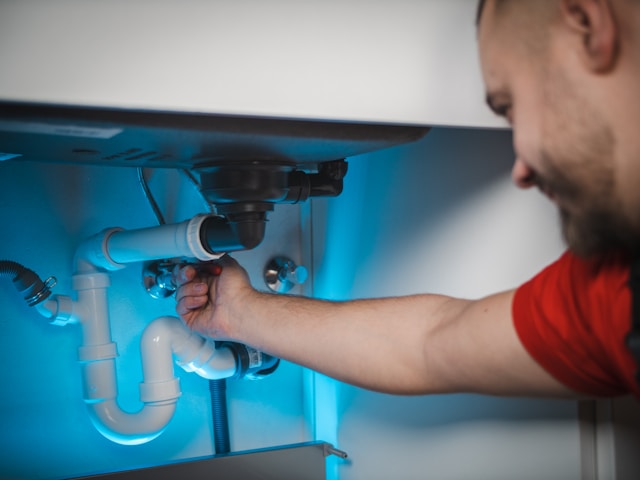
Few things cause instant panic like finding water where it shouldn’t be. A burst pipe under the sink, a toilet that won’t stop overflowing, or a hot water system that just quits can cause a lot of damage really quickly. The first and most important thing is to know where your home’s main water shut-off valve is and how to turn it off. Doing just this one thing can stop the water flow and keep a bad situation from getting much, much worse.
Once you’ve stopped the immediate flood, you need to figure out what’s going on. While you might fix a simple clog with a plunger, bigger problems like a burst flexible hose or a serious blockage in your sewer line aren’t DIY jobs. For these, it’s best to call a qualified plumber. They can diagnose the problem, carry out the necessary repairs, and help prevent further damage to your plumbing system. Trying to fix major water issues yourself can often lead to more damage and cost you more in the long run.
Your Emergency Toolkit
When something goes wrong, a well-stocked emergency kit is your best friend. You don’t need to prepare for the end of the world, but having a few key items ready can make a huge difference. The idea is to have everything you need in one easy-to-find spot, so you’re not fumbling around in the dark.
Your kit should have:
- A full first-aid kit
- Torches with extra batteries (or ones you can wind up)
- A radio that runs on batteries or winds up
- A fully charged power bank for your mobile phones
- A list of important phone numbers
- A few days’ worth of any essential medicines
- Bottled water and food that won’t spoil
Putting a kit together doesn’t have to be a big chore. In fact, building a home emergency kit can be a fun family activity for a weekend. For a detailed list, major aid organisations have great guides on what survival kit supplies are most helpful to have ready.
Knowing Who to Call
During an emergency, the last thing you want to do is frantically search for a phone number. Having a list of important contacts ready to go saves you precious time and stress. Keep this list on your fridge and saved in your phone so it’s easy to find.
Your list should include more than just Triple Zero (000), which you should only use for life-threatening emergencies. Also add the number for the State Emergency Service (SES) for help with storm and flood damage. Include the fault and emergency numbers for your electricity and gas companies. Finally, have the contact details for trusted local tradespeople, like an electrician and a reliable plumber, ready to go.
Taking an hour this weekend to get these details sorted is a simple step that will make you feel much more secure and ready for whatever comes your way.
Image Credit: Unsplash