If your outdoor space feels more like an afterthought than a real part of your home, you’re definitely not alone. Lots of us have backyards, patios, or balconies that just sit there, feeling a bit sad and unused. But here’s some good news: with a little imagination, you can turn any outdoor area into a functional extension of your living area. From spots just for your hobbies to clever storage ideas, let’s look at some fun ways to make the most of what you’ve got.
Transforming Your Backyard
Your backyard has so much potential, often just waiting right outside your door. Instead of just seeing a patch of grass, imagine a place where you can relax, entertain, or dive into your hobbies. The first step is to think about what you actually want to do out there. Are you dreaming of summer barbecues, growing a small veggie garden, or just having a quiet corner to read?
Even small changes can make a huge difference. Think about adding a stone patio or a wooden deck to create a clear living space. Container gardens and vertical planters are fantastic for bringing in greenery without taking up much room. With some smart planning, you can transform a boring yard into a designer outdoor living space that truly shows off your style and works for your family.
The Role of Expert Shed Builders
One of the best ways to make your backyard more useful is by adding a shed. But don’t picture some old, wobbly tool shed. Today’s sheds are versatile and you can customize them for almost anything. They can become your home office, an art studio, a personal gym, or a smart storage spot that frees up precious space inside your house.
To get a structure that really lasts and looks great, it’s best to work with pros. Expert shed builders can help you design something that matches your home’s look and perfectly fits what you need. They handle everything, from picking the right materials to making sure the foundation is solid. This means you get a strong, good-looking building that actually adds value to your property. A well-built shed isn’t just for storage; it’s a blank canvas for whatever project or passion you have next.
Designing a Functional Workshop
If you’ve always wanted a dedicated spot for your hobbies, a shed can be just the ticket. Turning a basic shed into a working workshop is a really satisfying project. It gives you a place to create, fix things, and tinker without cluttering up your garage or basement. Start by planning out the space. Put your main workbench where it gets the best natural light, and think about adding extra overhead or task lighting.
Keeping things organized is key. Use pegboards on the walls for hand tools, clear bins for small parts, and sturdy shelves for bigger equipment. Make sure you have enough power outlets for your tools, and consider ventilation, especially if you’ll be working with paint, sawdust, or chemicals. With a little clever design, your workshop can become an efficient and inspiring hideaway right in your own backyard.
Smart Storage Solutions for Every Home
Making the most of your outdoor space often comes down to smart storage. When your lawn mower, patio cushions, and kids’ toys are neatly put away, your yard instantly feels bigger and much tidier. Besides a regular shed, there are lots of other clever options to check out.
Waterproof deck boxes are perfect for stashing cushions and small gardening tools right near your seating area. If you have a raised deck, the space underneath is prime real estate for bigger items like kayaks or ladders. Adding an under-deck drainage system can keep that area dry and usable. For smaller patios or balconies, look for benches with built-in storage or vertical shelving units made for outside. These solutions help keep clutter out of sight, making your outdoor areas much more enjoyable.
Creating a Multipurpose Zone
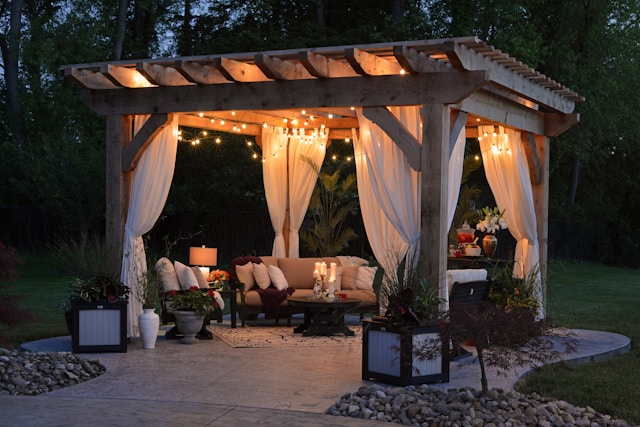
Not every part of your yard needs just one job. The most useful outdoor areas are often those that can do a few different things. A well-designed patio, for example, can easily go from being your morning coffee spot to an evening dining area, or a weekend lounge for guests. The trick is to pick furniture that’s easy to move around and to create different zones without building permanent walls.
Use outdoor rugs to define a seating area, or arrange planters to create a subtle boundary between a play space and a relaxation zone. Lightweight furniture that you can easily shift lets you change up the space whenever you need to. The goal is creating functional outdoor spaces that can adapt to whatever you’re doing, whether it’s a quiet afternoon alone or a lively party with friends.
By thinking creatively about how you lay things out, store stuff, and what you want to do, you can really unlock your outdoor space’s hidden potential. It’s all about making the area work for you and how you live.
Image Credit: Unsplash