
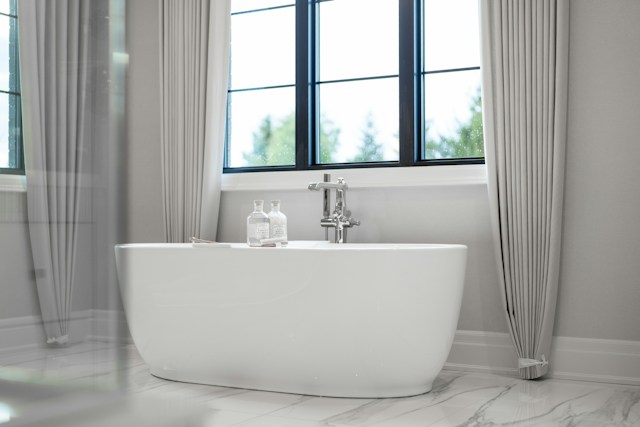
The surfaces we pick for our homes do a lot more than just look good; they’re actually the backbone of our daily safety and comfort. Think about it: from the kitchen floor that handles all those spills to the bathroom tiles that help prevent slips, choosing the right materials is an important decision. It affects how long your home lasts and how safe everyone in it feels. So, making smart choices means looking past just how pretty something is and really understanding how it’ll hold up to everyday life.
Understanding Surface Durability Ratings
When you’re out shopping for new flooring or countertops, you’ll probably bump into different durability ratings. These aren’t just fancy technical terms; they’re actually helpful guides to make sure you pick the right material for the job. For ceramic and porcelain tiles, the PEI (Porcelain Enamel Institute) rating is a big one. It ranks tiles from 1 (best for walls only) to 5 (tough enough for busy commercial spots). For a bustling family kitchen, you’d want a tile with at least a PEI rating of 3 or 4. If you’re looking at wood flooring, the Janka hardness scale tells you how well a wood resists dents and wear. A really hard wood like Brazilian cherry will stand up to high-traffic areas much better than a softer one like pine. Knowing these simple ratings helps you invest in surfaces that won’t look worn out way too soon.
Slip Resistance in Flooring Materials
When it comes to areas like bathrooms and kitchens, where things can get wet, safety is extra important. How much grip a flooring material offers is measured by its coefficient of friction. Matte-finish porcelain tiles, luxury vinyl plank (LVP), and textured natural stone usually give you better traction than shiny marble or ceramic. But even with the best flooring, water can still create a slippery spot. In the bathroom, a simple and effective trick is to add a good-quality non-slip shower mat right where you need secure footing. This little addition can seriously cut down the risk of falls on wet surfaces, giving an extra layer of protection for everyone in the family, no matter their age.
Treatments for Enhanced Grip
What if you love your current floors, but they just feel dangerously slick? You don’t necessarily have to rip everything out and start fresh. There are lots of great treatments out there that can add grip to all sorts of surfaces. For ceramic or porcelain tile, you can use an anti-slip liquid treatment. These products create tiny, microscopic grooves on the tile’s surface, which boosts friction without really changing how it looks. If you have wood floors, choosing a sealant with a satin or matte finish instead of a glossy one can improve traction. You can also find clear, anti-slip coatings that you can roll onto surfaces like concrete, wood, and vinyl to give them a textured, grippy finish.
Exterior Surfaces Built to Last
The surfaces outside your home have an even tougher job, dealing with everything from rain and ice to scorching sun. For decks, patios, and walkways, picking materials made specifically for outdoor use is key for both how long they last and how safe they are. Composite decking, which is a mix of wood fibers and recycled plastic, is a popular choice because it won’t rot, splinter, or get damaged by moisture. When you’re picking out safe decking materials, look for options with a textured grain to give you better grip, especially if it’s around a pool or in a rainy area. For walkways and patios, broom-finished concrete offers fantastic traction. Pavers are another excellent choice, as the gaps between them help drain water away and provide a naturally uneven surface for better footing.
Long-Term Maintenance for Safety
Putting in durable, slip-resistant surfaces is just the first step, but keeping them safe long-term really comes down to maintenance. Regular cleaning is important, because soap scum, grease, and dirt buildup can make any floor slippery. Use pH-neutral cleaners that won’t leave behind a slick film. Don’t forget to regularly check your surfaces for any signs of wear. Are the anti-slip strips on your stairs starting to come loose? Has the sealant on your deck worn off? Taking care of these small issues right away stops them from turning into bigger safety problems. If you have surfaces with anti-slip coatings, make sure to follow the manufacturer’s advice for reapplying them to keep them working well over time.
By making durability and safety your top priorities when choosing surfaces, you’ll create a home that’s not just beautiful, but also a secure place for you and your loved ones. These thoughtful choices really make sure your home’s foundation is built to last.
Image Credit: Unsplash