
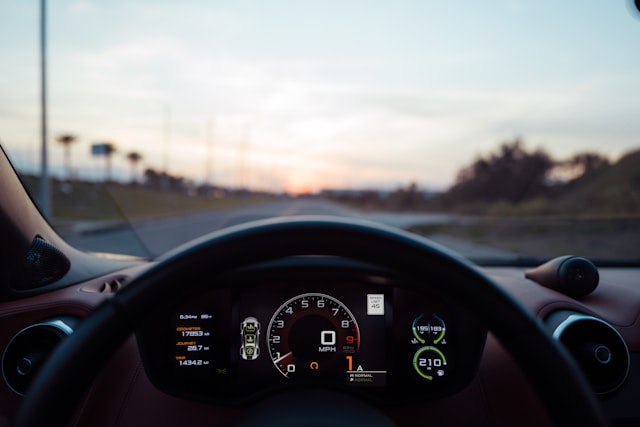
Owning a car offers more than just the freedom of the open road. It also comes with significant financial and personal responsibilities. In today’s world of smart technology and complex financial products, managing your vehicle effectively means much more than simply remembering your next oil change. A modern approach combines proactive maintenance, smart financial planning, and a commitment to safe driving habits. This blend helps protect your investment and your well-being.
Embrace Proactive Maintenance with Technology
Waiting for a dashboard warning light to appear is an outdated and often expensive strategy. Modern vehicle management focuses on being proactive, and technology makes this easier than ever. Your car constantly generates data, and you can use simple tools to access it before a small issue turns into a major repair.
OBD-II (On-Board Diagnostics) scanners are one of the most accessible tools. These inexpensive devices plug into a port under your dashboard and connect to a smartphone app. They can read diagnostic trouble codes (DTCs), which are the specific errors that trigger your “check engine” light. Instead of driving straight to a mechanic, you can look up the code to understand how serious the problem might be. It could be something as simple as a loose gas cap or a more serious sensor failure. Either way, having this information helps you have a more informed conversation with your repair shop.
Beyond diagnostics, countless apps can help you track your car’s maintenance schedule, log fuel expenses, and set reminders for everything from tire rotations to fluid checks. Keeping detailed digital records not only ensures your car runs efficiently but also builds a valuable history that can increase its resale value. This proactive approach saves you money on unexpected repairs and extends your vehicle’s life.
Secure Your Investment and Your Future
For many, a car is one of their most valuable assets, but it’s also highly vulnerable to damage, theft, and accidents. Smart vehicle management means having a strong financial safety net in place. This protection is crucial for shielding you from potentially devastating costs related to repairs, medical bills, or legal liability. It forms the cornerstone of responsible car ownership, ensuring that a single unfortunate event doesn’t derail your financial stability.
A well-chosen insurance policy is the main tool for this protection. It’s not just a legal requirement in most places; it’s a critical part of your personal financial strategy. Different types of coverage protect you in different situations. Liability coverage handles costs if you’re at fault in an accident that injures someone or damages their property. Collision coverage pays for repairs to your own car after an accident, while comprehensive coverage deals with non-collision events like theft, vandalism, or storm damage. Finding the right policy means exploring various car insurance solutions for drivers to match your specific needs, vehicle type, and budget. A thoughtful choice here provides a powerful buffer against the unexpected.
Leverage Smart Tech for Safer Driving
Today’s vehicles are packed with technology designed to prevent accidents before they happen. Advanced Driver-Assistance Systems (ADAS) act like a second set of eyes on the road. Features such as automatic emergency braking, blind-spot monitoring, and lane-keeping assist can intervene to avoid a collision or reduce how severe it is. Understanding how these systems work in your specific vehicle is a key part of modern driving.
Beyond built-in features, the field of driver risk management has introduced technologies that help you become a better driver. Telematics systems, often available through insurance providers or standalone apps, monitor your driving habits, such as acceleration, braking, and cornering. This data can give you personalized feedback to help you drive more smoothly and safely, sometimes even leading to lower insurance premiums. For professional drivers and fleets, even more advanced driver monitoring systems use cameras to detect signs of drowsiness or distraction, providing real-time alerts. While this might seem intrusive for personal use, the principle is the same: using technology to encourage safer habits behind the wheel.
The Art of Defensive Driving in the Modern Age
Technology is a powerful aid, but the person behind the wheel remains the most important safety feature. Defensive driving involves a set of skills and attitudes that help you anticipate and react to potential hazards. In an era of increased traffic and digital distractions, these skills are more crucial than ever. It’s about staying aware of your surroundings and creating enough space and time to react to the unpredictable actions of other drivers.
A core principle of a guide to defensive driving is maintaining a safe following distance. The “three-second rule” is a great guideline: watch the vehicle ahead of you pass a fixed object, like a signpost, and make sure at least three seconds pass before you reach the same spot. This gives you adequate time to brake if they stop suddenly. Other key techniques include:
- Scanning Ahead: Look 15-20 seconds down the road, not just at the car directly in front of you. This helps you spot developing situations, like traffic congestion or pedestrians, early.
- Checking Mirrors Frequently: Be aware of what’s happening beside and behind you. This helps you make safer lane changes and anticipate being overtaken.
- Having an Escape Plan: In any situation, whether in moving traffic or at an intersection, mentally identify an open space you could move into to avoid a potential collision.
These practices are rooted in the fundamental rules of the road outlined in any official driver’s manual. Mastering them transforms you from a passive operator into an active, engaged driver who controls their own safety.
Managing Your Vehicle’s Digital Footprint
A modern car is essentially a computer on wheels, and this brings a new responsibility: managing its digital life. Your vehicle collects vast amounts of data, from your location history via the navigation system to your driving habits and even contacts synced from your phone. Protecting this information is a new frontier of vehicle management.
Start by exploring the privacy settings in your car’s infotainment system. Most systems let you control what data is collected and shared with the manufacturer or third-party applications. Be mindful of the permissions you grant to apps that connect to your car. Just like on your phone, only provide access to data that is necessary for the app’s function.
Furthermore, keeping your car’s software updated is just as important as changing the oil. Manufacturers periodically release updates that can improve performance, fix bugs, and, most importantly, patch security vulnerabilities that hackers could exploit. If you’re selling your car, perform a factory reset of the infotainment system to wipe all your personal data, protecting your privacy long after you’ve handed over the keys.
Smart vehicle management is an ongoing practice, not a one-time setup. Integrating these habits into your routine helps you enjoy the benefits of car ownership while protecting yourself from the financial and personal risks of the road.
Image credit Unsplash