Finding a wig that actually looks real and holds up over time is no small task. The market is packed with options, and sorting through them can leave buyers more confused than confident. One style that continues to earn loyal fans is the extended lace frontal wig, known for its believable hairline and generous parting space. Here is a closer look at what makes this construction different and why so many buyers consider it a worthwhile investment.
How the Extended Frontal Coverage Changes the Look
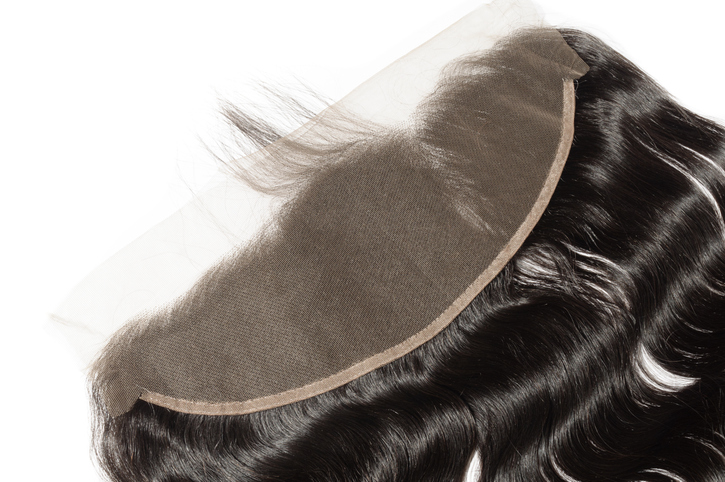
Most standard lace front wigs come with a 13×4 frontal area. Adding two extra inches of depth with a 13×6 build might sound minor, but the difference shows up immediately in styling. Deeper side parts, clean middle parts, and pulled-back styles all become realistic without flashing the wig cap underneath. That extra coverage is a gift for anyone who likes variety. Half-ponytails, loose updos, and swept-back looks all stay convincing because there is enough lace to maintain the illusion of a natural scalp across a wider area.
Why HD Lace Stands Out
HD lace is noticeably thinner and more transparent than traditional Swiss or French lace. It melts into the skin once applied, requiring far less effort to blend. This is exactly what draws buyers toward a 13×6 HD lace frontal wig that can replicate a genuine hairline across a range of skin tones. The ultra-fine material lies flat against the forehead, hiding the grid pattern that thicker lace tends to reveal. Paired with a high-quality adhesive and careful installation, the result is a hairline that looks completely real.
Durability Compared to Budget Alternatives
Material Longevity
Well-constructed HD lace frontals feature reinforced knots and premium human hair. A unit built to this standard can easily last twelve months or more with consistent care. Cheaper wigs, by contrast, tend to shed, mat, or lose their shine within just a few weeks of regular wear.
Cost Per Wear
Spending more upfront stings less in the long run once the math plays out. A single quality piece that lasts nearly a year beats replacing a budget wig every month. Factor in the recurring costs of adhesive, removal products, and salon reinstalls, and the long-term savings become hard to ignore.
Comfort and Breathability
Thinner lace brings a practical benefit beyond appearance: better airflow. Standard wig caps can trap heat against the scalp, which gets uncomfortable quickly in warm weather. HD lace reduces that problem because it sits lighter and lets moisture pass through more easily.
Scalp health improves, too. Less trapped heat means fewer breakouts along the hairline, reduced irritation, and a wearing experience that feels pleasant rather than suffocating.
Styling Versatility
Heat Tolerance
Human hair frontal wigs handle flat irons, curling wands, and blow dryers without flinching. Synthetic units often warp or melt under similar temperatures, which limits what a wearer can do with them. A premium frontal accepts heat styling just like natural hair does.
Color and Texture Options
These units come in straight, wavy, curly, and kinky textures, giving buyers a match for almost any preference. Color options run from natural blacks and deep browns through blondes, reds, and custom ombre blends. Since human hair takes dye well, owners can also refresh their unit at home whenever a new shade feels right.
Maintenance Tips That Protect the Investment
Keeping an HD lace frontal in top shape does not demand expert-level skill. A few simple habits can significantly improve the longevity of your HD lace frontal. Washing with a sulfate-free shampoo after every 7 to 10 washes clears away product residue without stripping the hair. Storing the wig on a mannequin head between uses helps it retain its shape and prevents tangling.
A silk or satin bonnet at night shields the fibers from friction while sleeping. Going easy on the adhesive also matters; using only what is needed keeps the lace strong and reduces the risk of tearing during removal.
Who Benefits Most From This Type of Wig
Protective style enthusiasts, alopecia patients, and fashion-driven buyers all find real value in the 13×6 HD lace frontal format. Those dealing with medical hair loss appreciate how convincingly it blends, while style lovers enjoy pulling multiple looks from a single piece.
Newcomers to wigs also tend to do well with this option. The wider frontal area is forgiving during installation, so a small misalignment along the edges will not immediately reveal the cap.
Conclusion
A 13×6 HD lace frontal wig justifies its price through realistic blending, broad styling flexibility, and the kind of durability that budget alternatives rarely deliver. Ultra-thin lace paired with generous frontal depth gives wearers a natural finish that stays convincing for months. For anyone tired of replacing low-cost units every few weeks, stepping up to this construction style remains one of the smartest moves available.