
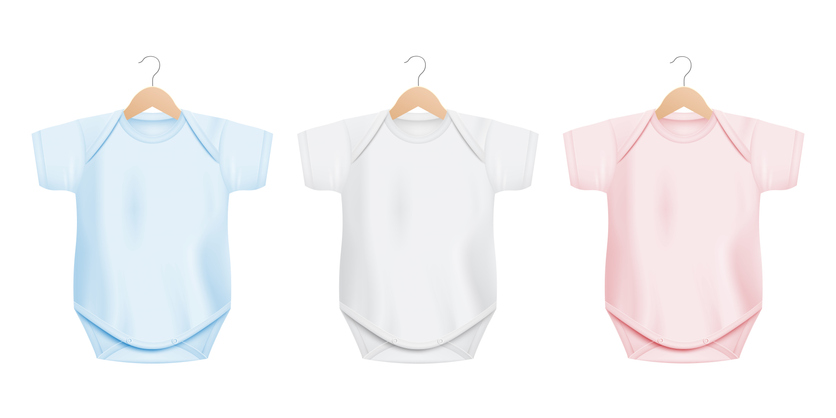
Ordering infant bodysuits in large volumes sounds straightforward until the first shipment arrives with inconsistent sizing or scratchy fabric. For small business owners, crafters, and resellers, every flaw shows up fast because babies wear these garments against bare skin. Getting it right means checking a handful of critical factors before any money changes hands. Here is a practical breakdown of what actually matters, so each bulk purchase delivers the quality customers expect.
1. Consistent Sizing Across the Batch
Few things frustrate a customer faster than ordering a “6-month” bodysuit and receiving something that fits like a 3-month-old’s. Sizing drift across a single shipment is surprisingly common with lower-tier manufacturers, and it leads directly to returns and poor reviews.
A trustworthy supplier will share detailed size charts and enforce tight quality checks during production. Anyone planning to buy infant bodysuit blanks in volume should request sample units first. Measuring three or four samples side by side quickly reveals whether the factory holds its tolerances or cuts corners between runs.
2. Fabric Quality and Softness
Baby skin reacts quickly to rough textures and chemical residues. That alone makes fabric selection the single most important decision in a bulk order. Cotton continues to lead as the go-to material because it breathes well and sits gently against delicate skin.
Buyers should ask suppliers for the fabric weight, measured in grams per square meter. Bodysuits in the 150-200 GSM range strike a good balance between durability and comfort for daily wear. Organic cotton options carry extra appeal for parents who want clothing free from pesticides and synthetic treatments.
3. Snap and Closure Durability
3.1 Why Closures Matter
Parents change outfits multiple times a day, sometimes under less-than-ideal conditions. Snaps that pop loose or crack after a handful of washes turn a decent bodysuit into a source of daily annoyance. Metal or reinforced plastic hardware tends to last far longer than standard alternatives.
3.2 Testing Before Ordering
Before locking in a supplier, put sample snaps through real use. Open and close them at least 20 times, then run the garment through a full wash-and-dry cycle. If the hardware still grips firmly afterwards, that speaks well for the overall construction of the piece.
4. Colorfastness and Shrinkage Rates
White and pastel blanks are the foundation for custom printing, embroidery, and heat transfer vinyl projects. If the dye bleeds or fades after two washes, the finished product looks cheap, regardless of the design applied.
Shrinkage deserves equal attention. A bodysuit that contracts more than 3% after its first laundering will no longer match the labeled size. Buyers should confirm whether the fabric was pre-shrunk during manufacturing or request a shrinkage test report. Catching these issues early saves both money and reputation down the line.
5. Neckline and Envelope Fold Design
An envelope-style neckline lets the garment stretch wide enough to slip over a baby’s head without tugging or pulling. Parents notice this detail immediately, and it adds real perceived value to the finished piece.
Construction quality at the neckline separates a reliable blank from a disposable one. The fold should lay flat, and stitching along the shoulder seams needs to be even on both sides. Double-stitched hems around the neck opening hold their shape through months of repeated use, while single-stitch versions tend to warp and curl.
6. Printability and Blank Surface Quality
Custom decoration is the whole reason many buyers purchase blanks. The fabric surface needs to accept ink, vinyl, or embroidery thread cleanly, without puckering or distortion. A smooth, lint-free exterior produces sharper print lines and crisper stitch definition.
Tighter weaves generally hold sublimation ink better than loosely knit fabrics. Knowing the intended decoration method ahead of time helps narrow down the right composition, whether that is pure cotton for screen printing or a poly-cotton blend suited to sublimation transfers.
7. Minimum Order Quantities and Pricing Tiers
Suppliers typically set minimum order thresholds that shift depending on style, color, and size range. Clarifying these numbers upfront avoids frustrating delays once the purchasing process begins. Most manufacturers offer tiered pricing, where the per-unit cost drops as order volume climbs.
Collecting quotes from at least three different suppliers paints a realistic picture of current market rates. Packaging fees, labeling charges, and shipping costs can quietly inflate the total, so requesting an all-inclusive quote from the start is a simple way to avoid unwelcome surprises.
Conclusion
A solid bulk order starts well before the purchase itself. Checking fabric softness, sizing uniformity, closure strength, colorfastness, neckline construction, surface printability, and pricing structure covers the ground that matters most. Requesting samples and verifying a supplier’s track record reduces risk at every step. With these factors accounted for, buyers can confidently stock infant bodysuits that meet their business standards, keeping families coming back for well-made, comfortable baby clothing.