
Some parts of Christian living sound easier in theory than they feel in practice. Loving people is one thing when everyone is treating you well. Staying peaceful is another when life is stressful. Being patient is especially difficult when someone keeps testing the same limit.
So, which fruit of the Spirit is hardest to practice?
The Bible does not rank the fruits from easiest to hardest. Galatians 5:22-23 simply presents them together as the fruit produced by the Spirit. But some can feel particularly difficult because they challenge our strongest reactions and require us to respond differently from our natural impulses.
To understand why some of these qualities are harder to live out than others, it helps to first look at what Paul actually says in Galatians 5.
What Are the 9 Fruits of the Spirit in Galatians 5?
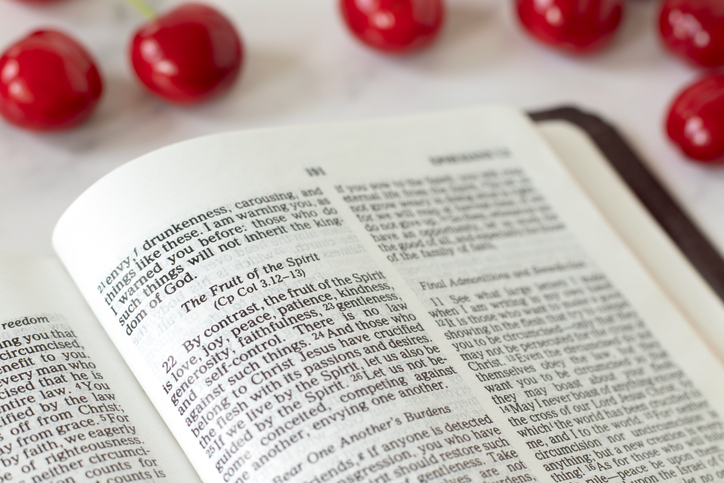
The nine fruitsare listed in Galatians 5:22-23: love, joy, peace, patience, kindness, goodness, faithfulness, gentleness, and self-control. Paul describes these qualities as the fruit of the Spirit, placing them in contrast with the “acts of the flesh” mentioned earlier in the chapter. For a helpful explanation of the passage and the meaning of each quality, Compassion International has a guide on the 9 fruits of the spirit that walks through that verse and connects the passage with everyday Christian life.
One detail is easy to miss, however. Paul says “fruit,” singular, rather than “fruits.” The nine qualities are distinct, but they form one picture of the character the Spirit develops in a believer. That means the goal is not to pick one quality that feels comfortable and ignore the others.
Instead, spiritual growth involves becoming more loving, peaceful, patient, kind, faithful, gentle, and self-controlled over time.
Why Patience Can Be So Difficult
If one fruit seems especially challenging for everyday life, patience is a strong candidate. Patience usually gets tested when something is happening slower than we want or when someone is behaving in a way that frustrates us. Waiting for an answer is difficult. Dealing with a difficult coworker is difficult. Parenting can test patience in ways no book can fully prepare you for.
Galatians uses the word “forbearance” in some translations, which points to more than simply waiting quietly. It involves enduring difficult situations and people without immediately giving in to anger or resentment.
That makes patience deeply practical. It may mean listening instead of interrupting, giving someone another chance, or choosing not to send an angry response when you are upset.
Self-Control Can Be Just as Challenging
Self-control may be another strong contender because it asks us to stop ourselves when we really want to act.
You might know that an argument is going nowhere but still want to get the last word. You might know that a particular habit is unhealthy but struggle to stop. You might feel justified in saying something harsh because someone else said something hurtful first.
Self-control creates a pause between the feeling and the response.
That pause can change a lot. Instead of allowing anger to determine your words, you can choose restraint. Instead of reacting to temptation immediately, you can step away. The feeling may still be there, but it no longer gets automatic control over your behavior.
Love Can Be Hard When People Hurt You
Love is listed first in Paul’s description, and that position is significant. Biblical love is not limited to affection for people we already like. Jesus’ teaching repeatedly pushes believers toward loving difficult people, forgiving others, and treating people with compassion. That can become very uncomfortable when someone has genuinely caused pain.
Loving someone does not mean approving of everything they do or ignoring harmful behavior. It can mean refusing to let bitterness determine how you treat them. That is where love can become a serious test of spiritual growth.
What About Peace and Gentleness?
Peace and gentleness can also become difficult when emotions are running high. Peace does not mean that a Christian will never feel anxious, angry, or upset. Rather, it can shape what happens next. A person may feel deeply troubled and still choose prayer instead of panic or thoughtful words instead of an angry reaction.
Gentleness works in a similar way. It does not require weakness or silence. You can disagree with someone, correct a mistake, or set a boundary while still treating that person with dignity. Sometimes the hardest part is not knowing what is right. It is knowing how to do what is right without allowing anger to take over.
Why the Hardest Fruit May Depend on the Situation
There may not be one universally hardest fruit of the Spirit. A person who naturally reacts quickly may struggle most with patience or self-control. Someone who has been hurt may find forgiveness and love especially difficult. Another person may struggle with peace because worry tends to dominate their thoughts.
This is one reason the list works better as a whole than as a ranking.
The fruits often overlap. Patience can require self-control. Gentleness can require peace. Love can produce kindness. Faithfulness can require perseverance when joy is difficult to find. In practice, working on one area can strengthen another.
How Can You Practice the Fruit of the Spirit?
The first step is noticing where you struggle. Pay attention to the situations that repeatedly bring out impatience, anger, selfishness, fear, or harshness. Those moments can reveal where spiritual growth is needed most.
Then start with small choices. Pause before responding. Pray when you feel overwhelmed. Apologize when you react badly. Choose kindness when being rude would be easier. Keep your word when it would be convenient to walk away.
Galatians 5:25 says, “If we live by the Spirit, let us also walk by the Spirit.” The picture is one of continued movement, not instant perfection.
The Key Takeaway
The fruit of the Holy Spirit offers more than a list of qualities to admire; it provides a practical picture of how faith can shape everyday life. Love, joy, peace, patience, kindness, goodness, faithfulness, gentleness, and self-control can influence how we respond to challenges, treat others, and make difficult choices.
No one practices these qualities perfectly, but each day brings opportunities to grow in them and reflect the character of Christ more clearly.