
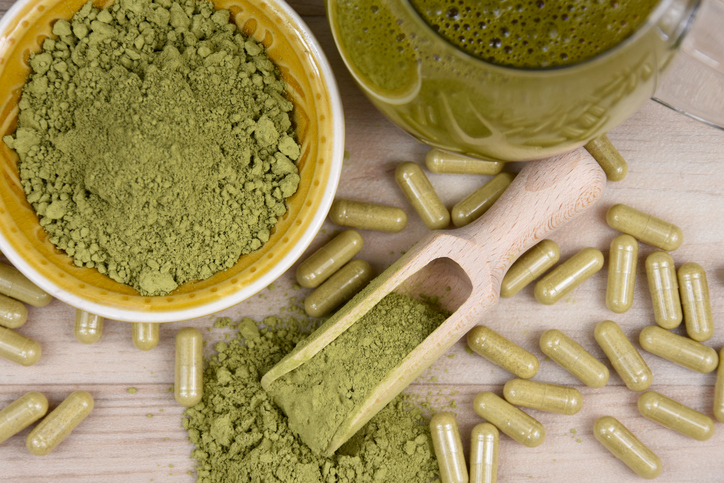
Few plants have attracted as much attention in the supplement space as moringa oleifera. Wellness influencers praise it, nutrition blogs feature it regularly, and demand for moringa-based products continues to climb. Yet enthusiasm is not the same as evidence. Given how crowded the plant-based supplement market has become, taking a measured look at what research actually confirms feels both timely and necessary. This piece examines the proven benefits, the honest gaps in the evidence, and the practical factors to weigh before trying this popular herbal supplement.
What Makes Moringa a Nutrient-Dense Plant?
Moringa leaves deliver a remarkably wide range of vitamins and minerals in a small serving. Vitamin C, vitamin A, calcium, potassium, and iron are all present in significant quantities. Bioactive compounds add further appeal. Quercetin and chlorogenic acid, both potent antioxidants, help the body manage oxidative stress at a cellular level.
For anyone struggling to meet daily micronutrient needs through food alone, a concentrated supplement can fill those gaps efficiently. A growing number of health-focused consumers now rely on moringa capsules for their pre-measured dosing and ease of use, skipping the hassle of brewing teas or scooping loose powder into smoothies each day.
Do Clinical Studies Back the Claims?
Research activity around moringa has increased in recent years, although a significant share of the data still comes from preclinical work. Studies in animal models suggest meaningful effects on blood sugar control, lipid profiles, and inflammatory markers. A 2019 paper published in Phytotherapy Research demonstrated that moringa leaf extract lowered fasting glucose levels in diabetic rats. Human evidence, while more limited, paints a cautiously positive picture.
One small trial tracked participants who consumed moringa leaf powder daily for 3 months and reported modest improvements in blood glucose readings. Separate investigations have highlighted its potential to boost breast milk supply among nursing mothers. Large-scale randomized controlled trials, however, remain few. The research trajectory looks encouraging, but healthcare professionals advise against treating moringa as a standalone remedy for complex health issues.
Where the Hype Outpaces the Evidence
Marketing copy often positions moringa as a universal solution for everything from cancer prevention to rapid fat loss. Those sweeping claims simply do not have the clinical backing to hold up under scrutiny. Overpromising creates unrealistic expectations and can lead consumers to make poor health decisions.
How a product is manufactured matters just as much as what goes into it. Excessive heat during processing degrades heat-sensitive nutrients, reducing the potency of the finished supplement. Organic certification and independent lab testing provide useful quality signals, but a surprising number of products reach store shelves without either. Buyers who take a few minutes to review sourcing details and label transparency tend to make far better choices.
Who Benefits Most from Moringa Supplementation?
Certain populations are better positioned to benefit from incorporating moringa into their routines. Individuals with restricted dietary variety can use it to close persistent nutritional gaps. Nursing mothers represent another group with strong historical and emerging scientific support; moringa has been used across cultures for generations to encourage healthy milk production.
Athletes and Active Individuals
People who train regularly may appreciate moringa’s anti-inflammatory compounds for post-workout recovery support. The iron and calcium content also makes it a sensible option for vegetarians, vegans, and others at elevated risk of mineral shortfalls. While sport-specific clinical data remains sparse, the overall nutrient composition alone makes a reasonable case for inclusion.
Older Adults
As the body ages, its ability to absorb nutrients from food gradually declines. A highly bioavailable supplement allows older adults to sustain adequate vitamin and mineral levels without adding unnecessary calories. For this age group, digestibility and convenience are particularly important.
Practical Tips for Choosing the Right Product
The moringa supplement market varies enormously in quality. A handful of criteria can help separate reliable options from subpar ones. Organic certification confirms that no synthetic pesticides were used during cultivation. Capsule-based formats generally protect nutrient stability better than bulk powders exposed to light, air, and humidity. Verification through an independent third-party lab provides additional confidence in purity and potency.
Getting the dosage right also matters. Published studies typically use between 500 milligrams and 2 grams of leaf powder daily. Starting at the lower end and gradually adjusting upward over time lets the body adapt. Checking in with a healthcare provider before beginning any new supplement is always a sensible precaution, especially for those already managing chronic conditions.
Conclusion
Moringa has rightfully earned a place in the supplement conversation, but tempered expectations produce better outcomes. The plant provides genuine nutritional richness and carries credible, research-supported benefits, particularly for micronutrient intake and lactation support. It is not, however, a replacement for professional medical guidance or a well-rounded diet. Those who evaluate the evidence thoughtfully, rather than accepting marketing rhetoric at face value, will be best equipped to decide whether moringa belongs in their daily routine.