
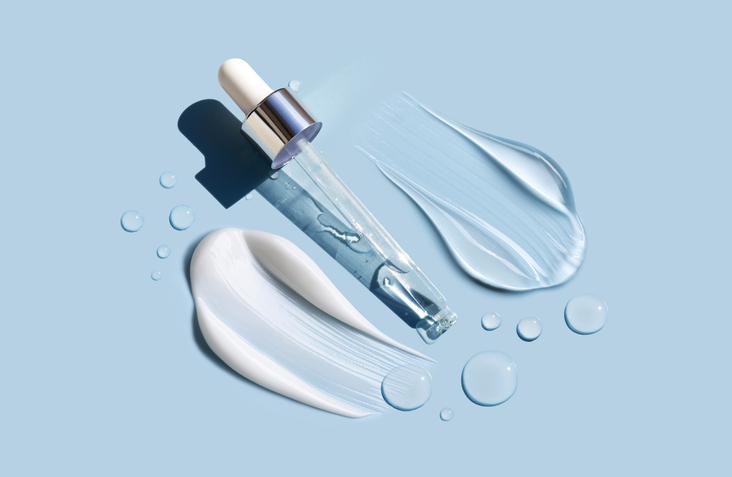
Almost everyone has a go-to store for shampoo, foundation, or skincare. The routine feels safe, but it quietly costs more than most people realize. Consumer research consistently shows that cosmetics and personal care items carry a 15–40% markup at physical retailers compared to their digital equivalents. That price gap adds up fast over months of repeat purchases. Knowing where those extra dollars go and how to avoid paying them puts buyers in a much stronger position without asking them to settle for lesser products.
Why Brick-and-Mortar Prices Run Higher
Every product sitting on a retail shelf carries invisible costs baked into its price. Store rent in high-foot-traffic areas, employee wages, lighting, air conditioning, and visual displays; all of these expenses get passed along to the customer. A single tube of lipstick at a department store counter has to earn back a share of that overhead before the retailer turns any profit. Digital sellers, by contrast, operate out of centralized warehouses with leaner teams and lower fixed costs. They can afford to price the same products lower and still maintain healthy margins. As order sizes grow, that gap becomes harder to ignore.
The Convenience Factor Hiding Extra Costs
Impulse buying is one of the biggest drivers of overspending on cosmetics. Eye-catching shelf arrangements, testers, and “today only” promotions are designed to make shoppers reach for items they had no intention of purchasing. Browsing a beauty supply store online strips away most of those triggers.
Shoppers get the space to read ingredient labels carefully, weigh prices across different vendors, and stay within a planned budget. That pause between seeing a product and clicking “buy” can meaningfully reduce monthly beauty spending, particularly for households restocking hair care, skincare, and color cosmetics on a regular cycle.
Price Transparency and Product Comparison
Digital storefronts make side-by-side comparison effortless. In a physical aisle, figuring out whether a 200ml bottle beats a 150ml option on value means doing mental arithmetic while squinting at fine print. Most e-commerce platforms automatically calculate cost-per-ounce or cost-per-unit and display it beside the listing. Sorting by price, customer rating, or brand takes seconds rather than minutes. On top of that, third-party review sites offer a depth of product feedback that a shelf tag simply cannot match.
Subscription and Bulk Discounts
Repeat buyers often unlock savings that never appear in traditional retail. A conditioner priced at $12 per bottle might drop below $9 on a recurring delivery schedule. Loyalty programs tied to online accounts track cumulative spending and open up tiered rewards over time. Physical stores do run seasonal promotions, but they tend to be short-lived and harder to plan around.
Quality Concerns and How To Address Them
Worrying about counterfeit goods is one of the main reasons shoppers hesitate to buy cosmetics online. That concern is valid on certain third-party marketplace platforms, but purchasing directly from an authorized retailer or a brand’s own site eliminates nearly all of that risk. A few practical steps go a long way: check for verified-seller badges, read return policies before ordering, and confirm batch codes once the package arrives. Consumer protection laws in most major markets also require digital sellers to honor refunds on defective or misrepresented products.
Shipping Costs and the Break-Even Calculation
Delivery fees are the most common objection to buying beauty products online, yet the math rarely supports it anymore. Free shipping thresholds have fallen significantly across most retailers, with many offering no-cost delivery on orders above $25 or $30. The average monthly beauty budget for a single consumer ranges between fifty and seventy-five dollars, so hitting that minimum takes very little effort. Standard shipping windows of two to five business days comfortably cover the vast majority of purchases, and expedited options remain available for anything urgent.
Conclusion
Paying more than necessary for beauty essentials is a habit, not a requirement. Lower overhead, clearer pricing, loyalty rewards, and instant product comparison all shift the value equation in favor of online purchasing. Buyers who spend a few minutes researching before checkout consistently report lower totals while still receiving the exact brands they trust. The shift does not demand a dramatic change in routine, just a willingness to compare options and let the better price win.