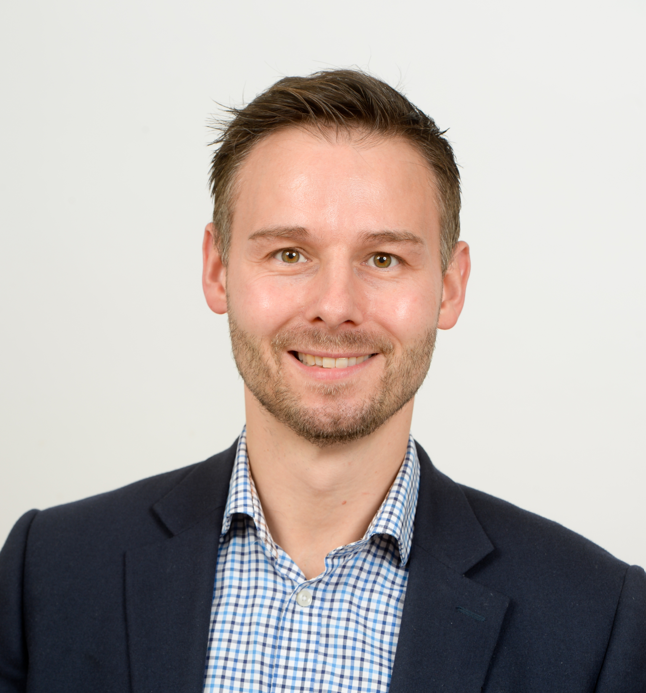
Dr David Thomson is Professor of Clinical Oncology at The Christie Private Care. He specialises in head and neck cancers, including laryngeal (voice box), oral (mouth) and oropharyngeal (tonsil and base of tongue) cancers. His clinical practice focuses on highly precise radiotherapy and systemic treatments for head and neck cancer.
What exactly is oral cancer and who can be affected by it?
Oral cancer occurs when abnormal cells develop in the mouth, affecting areas such as the lips, tongue, gums, floor of the mouth or inner lining of the cheeks. It forms part of a wider group of conditions known as head and neck cancers.
Anyone can develop oral cancer, although the risk increases with age. The encouraging news is that when diagnosed early, oral cancer can often be treated successfully. That’s why recognising the signs and seeking advice promptly is so important.
Are there any lifestyle habits that can increase your risk of developing oral cancer?
The two biggest lifestyle risk factors are tobacco use and drinking alcohol, particularly when both are combined. Smoking and chewing tobacco can both increase the risk.
Other factors associated with increased risk include a weakened immune system, long-term exposure to ultraviolet (UV) light, particularly on the lips and persistent red or white patches in the mouth, some of which can represent precancerous changes.
When should someone see their GP or dentist about symptoms?
If you notice a mouth ulcer that hasn’t healed after three weeks, a persistent lump, or an unexplained red or white patch, speak to your GP or dentist. Don’t wait for symptoms to become painful. Most of these symptoms will not be cancer, but persistent or unexplained changes should be checked. Diagnosing oral cancer early can make a real difference to treatment outcomes.