
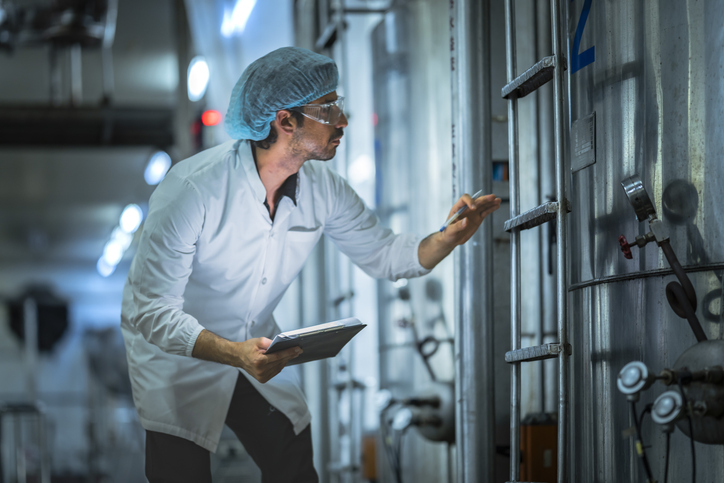
Taking a culinary enterprise from a small startup to a large commercial operation is an exciting milestone. When you are first learning the ropes and exploring the food and drink industry, establishing your menu and building a customer base requires immense passion and careful planning. However, transitioning from a modest kitchen setup to a high-capacity manufacturing facility introduces complex new realities. Scaling up is not just about making more food. It is about implementing rigorous operational standards to ensure every product remains safe, consistent, and fully compliant with health regulations.
Upgrading to Commercial Machinery
As your customer base grows, manual preparation methods quickly become unsustainable. The commercial food service equipment market in Australia was valued at over $670 million in 2025, reflecting a massive shift among small to medium enterprises toward automated workflows. To keep up with demand and combat rising labour costs, businesses are investing heavily in heavy-duty machinery like high-capacity mixers, continuous ovens, and automated packaging lines.
Upgrading to this advanced culinary machinery completely changes your daily operations. These heavy-duty systems are designed to handle immense mechanical loads and operate at high speeds, often in environments with high humidity and aggressive chemical cleaning agents. Managing these variables requires a completely new approach to equipment care, moving away from casual upkeep to highly structured facility management. Often, this includes investing in professional Food Grade Lubrication Compliance Services to ensure automated workflows align with rigorous industry standards.
The Hidden Risks of Scaling Up
With larger production volumes comes a much higher risk of widespread product contamination. According to Food Standards Australia New Zealand, 92 food recalls were coordinated in 2025, which sits above the ten-year average. Regulators frequently identify microbial contamination, undeclared allergens, and equipment-related issues as the leading causes behind these nationwide recalls.
The financial and operational impacts of these incidents are staggering. The Australian economy loses an estimated $3 billion each year to foodborne illnesses. For an individual manufacturer, the average direct cost of a product recall sits at approximately $10 million, which only covers immediate product retrieval and disposal.
Beyond the immediate loss of inventory, food businesses involved in contamination incidents face severe indirect costs that can devastate a growing brand:
- Mandated facility sanitation upgrades that halt production for weeks.
- Extensive public relations campaigns required to repair a damaged brand reputation.
- Loss of consumer trust and cancelled contracts from major wholesale distributors.
- Expensive legal fees and potential regulatory fines.
Preventive Maintenance and Compliance
To prevent these costly disasters, scaling food businesses must adopt robust safety frameworks. The U.S. Food and Drug Administration notes that a solid HACCP system must be built on prerequisite programs, explicitly stating that establishments must have preventive maintenance procedures for processing equipment to avoid unexpected failure and loss of production. This means maintaining your machinery is not just a best practice but a foundational regulatory requirement.
One of the most critical aspects of this maintenance is managing chemical hazards. Standard industrial lubricants used on commercial processing machinery are classified as a severe, preventable hazard in culinary environments. Because commercial machines require constant lubrication to function safely, facilities must rely on NSF H1 certified lubricants, which are strictly regulated for incidental food contact. To meet these global health standards, the maximum concentration of an approved lubricant allowed in a final food product must never exceed 10 parts per million.
Navigating these strict requirements can be incredibly challenging for newly scaled businesses. During routine food safety audits, the mere presence of unregistered, non-food grade lubricants on heavy-duty culinary machinery can result in an immediate non-compliance citation and halt production. To mitigate this risk, many growing manufacturers rely on dedicated compliance experts to ensure their heavy machinery runs smoothly without compromising product safety. These professionals help businesses conduct thorough compliance audits, upgrade their maintenance protocols, and keep their operations fully aligned with rigorous health regulations.
Scaling a food enterprise is a rewarding journey that demands serious respect for operational safety. By investing in the right equipment and committing to strict preventive maintenance, you can protect your brand, satisfy your customers, and ensure your business thrives in a highly competitive market.