
You’ve probably seen the word ‘peptide’ pop up everywhere, from your favourite skincare serums to wellness blogs. It’s a term that’s generating a lot of buzz, often presented as a key to unlocking better health, vitality, and youthful skin. But what exactly are peptides, and how do they fit into a modern approach to wellness? If you’re curious about the science behind these intriguing molecules, you’ve come to the right place. This guide will break down what peptides are, how they work, and what you need to know about them.
What Are Peptides?
Peptides are basically short chains of amino acids, which are the fundamental building blocks of proteins. Think of amino acids as individual letters and peptides as short words. When you string many of these words together, you form a long sentence, which is a protein. Your body is full of them, and they do countless essential jobs.
Unlike larger proteins, peptides are small enough for your body to absorb and use easily. They act like powerful messengers, carrying instructions between cells and telling them what to do. For instance, some peptides tell your skin cells to make more collagen, while others might help control your appetite or support your immune system.
Because peptides naturally occur in the body, they play important roles in many biological processes that help maintain normal health and function. From the hormones that manage our mood to the enzymes that digest our food, peptides are always working behind the scenes. This natural function is why scientists and wellness experts find them so interesting. They aren’t foreign substances, but rather components our bodies already understand and use.
Peptides and Holistic Health
Peptides are getting so much attention because they can support your body in a really specific way. Instead of a one-size-fits-all approach, different peptides can encourage particular functions, helping you feel more well-rounded. This fits perfectly with a holistic approach to wellness, where the aim is to support all your body’s interconnected systems instead of just treating individual problems.
For example, certain peptides are famous in the beauty world for helping skin stay elastic and reducing fine lines. Others are being looked at for their role in muscle repair and recovery, making them popular with athletes and fitness fans. There are also peptides linked to better sleep, improved thinking, and a more balanced immune system.
The real power of peptides for holistic health is how specific they are. They can act like a key made for a particular lock, starting a precise biological reaction. This means they can help fine-tune various body processes, from how our cells talk to each other to how efficiently they fix themselves, all contributing to overall vitality and balance.
The Science Behind Their Action
So, how do these tiny molecules do so much? The secret is how they act as biological messengers. When a peptide enters your bloodstream or is put on your skin, it travels to its target cell and connects to a specific spot on the cell’s surface. This connection is like a courier delivering a specific set of instructions.
Once the message is delivered, the cell gets to work. For example, a collagen-stimulating peptide might tell a skin cell, “Time to make more collagen and elastin!” In response, the cell ramps up its production, leading to firmer, younger-looking skin over time. Similarly, other peptides might signal muscle tissue to start repairing itself after a tough workout, or tell your brain to produce chemicals that help you feel calm and sleep better.
This targeted communication system is what makes peptides so effective. They don’t just flood your body with raw materials; they give precise commands that help guide its natural processes. This ability to influence how cells behave is what researchers are exploring as they look for ways to unlock your body’s potential for self-repair and optimisation. It’s a fascinating field that shows off the incredible intelligence built into our own biology.
Precision in Peptide Preparation
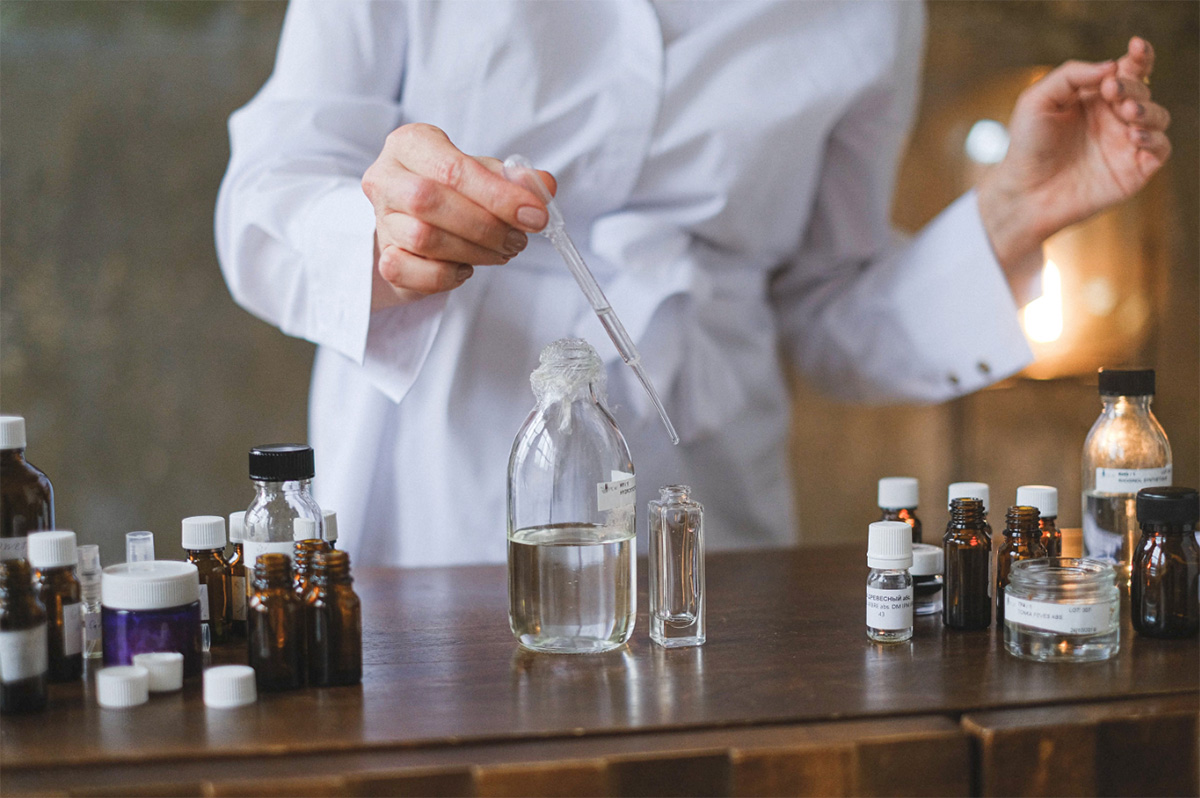
For peptides to work well, especially in research or clinical settings, being precise is essential. Most peptides used in therapy or research come as a lyophilised (freeze-dried) powder to keep them stable. Before you can use them, you have to carefully mix them with a sterile liquid, like bacteriostatic water. This is where accuracy really matters.
The final solution needs to have an exact concentration. If there’s too little, the peptide might not do what it’s supposed to; if there’s too much, it could cause unwanted problems. Researchers and doctors have to calculate the precise amount of liquid needed to get a specific dose. This means thinking about how much peptide is in the vial, the concentration they want, and the size of each dose.
To avoid guesswork and improve accuracy, a peptide calculator can help determine the correct amount of diluent needed to achieve the desired concentration and dosage during peptide preparation. By simplifying these calculations, it supports consistent and reliable reconstitution for research and educational purposes, reducing the risk of manual calculation errors. Accurate preparation is essential for generating reliable data and maintaining consistency whenever peptides are handled.
Integrating Peptides Safely
With all the exciting possibilities around peptides, it’s really important to approach them carefully and with awareness. The world of peptides is complex, and not all products are created equal. While you can easily buy skincare creams with peptides over the counter, more specialised peptide therapies need professional guidance.
The most important step before looking into any peptide treatment is to talk to a qualified healthcare professional, like a doctor or a specialist in functional medicine. They can help you figure out if a particular peptide is right for your health goals, check for any potential risks, and make sure you’re using a high-quality, trustworthy product. They can also keep an eye on your progress and make changes if needed.
Trying to use peptides yourself without medical supervision can be risky. The source and purity of the product are big concerns, as the market isn’t always well-regulated. A healthcare provider can point you towards reputable sources and ensure you’re following a safe plan. Remember, the goal is to support your body’s health, and doing that safely under expert care is the best way to get positive and lasting results.
Peptides are a remarkable area of wellness science, offering a targeted way to support our body’s intricate systems. Understanding what they are and approaching them with informed caution helps you better appreciate their role in the future of personalised health. Always put safety first and get professional advice to guide your wellness choices.
Image credit: Pexels