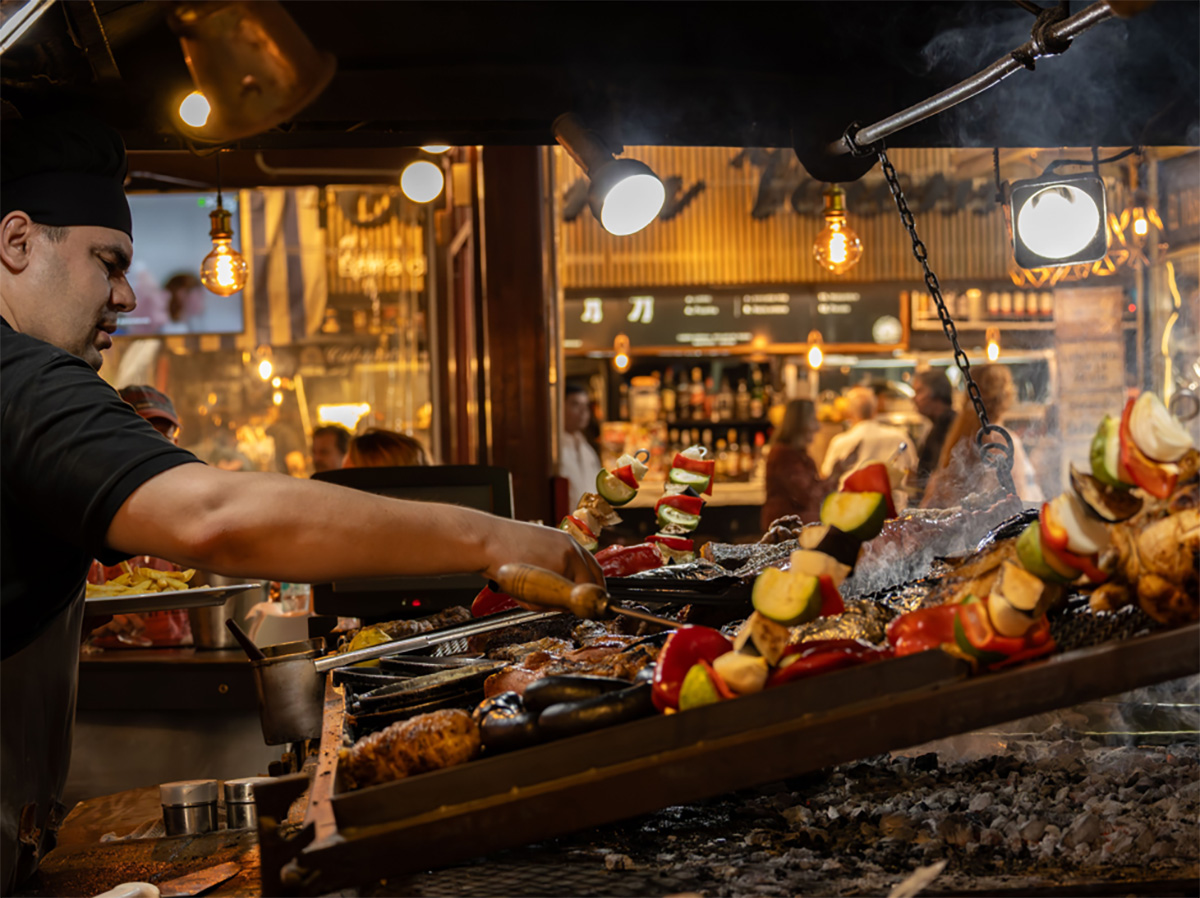
The culinary world is always changing, and temporary dining experiences have gone from a niche idea to a regular part of the scene. Pop-up restaurants, food stalls, and supper clubs are showing up in unexpected places, giving diners quick chances to try something new and exciting. For chefs and food entrepreneurs just starting out, this trend offers a lively and easy way into the hospitality industry. It lets them show off their skills without the massive financial commitment of a permanent restaurant. This flexible model encourages creativity and direct customer interaction, making it an attractive choice for anyone thinking of starting a restaurant without the usual high costs.
These temporary eateries thrive on a sense of urgency and exclusivity. They create a buzz that traditional places often struggle to match. From a one-night-only tasting menu in a warehouse to a month-long stay in a local pub, the pop-up model is incredibly flexible and creative. It’s a movement that celebrates innovation, community, and the sheer joy of food, and it shows no signs of slowing down.
Why Pop-Ups Are Taking Over
Pop-ups have become so popular because they offer great benefits for both the creator and the customer. For diners, the appeal is clear: it’s a chance to experience something truly unique. The temporary nature makes it feel like a special occasion and an adventure, encouraging food lovers to step out of their habits and try new cuisines. Pop-ups often feature highly specialised menus or experimental dishes that a chef might not dare to try in a traditional restaurant. This creates a lively and diverse culinary scene where innovation is the main ingredient.
From a chef or food entrepreneur’s point of view, the pop-up model is a smart strategic move. It significantly lowers the hurdles to getting into the food industry. Opening a brick-and-mortar restaurant comes with huge start-up costs and risks, but a pop-up can be launched with a fraction of that investment. This lets chefs test a new concept, build a following, and gain valuable operational experience. It’s like a real-world business incubator where you can fine-tune your menu, branding, and service style based on direct customer feedback. This low-risk environment empowers culinary professionals to be more creative and daring, pushing food boundaries without the fear of long-term financial failure. It’s a flexible platform for everything from testing a single signature dish to running a full-service dining experience for a limited time.
Crafting a Unique Culinary Concept
At the heart of any successful pop-up is a clear and compelling concept. In a market driven by newness, just serving good food isn’t always enough. You need a story, a theme, or a unique selling point (USP) that captures people’s imagination and makes them feel like they’re part of something special. Your concept forms the foundation of your brand, influencing everything from your menu and décor to your marketing messages.
Start by figuring out your niche. Are you passionate about a specific regional cuisine that’s hard to find in your area? Do you excel at plant-based fine dining or have a fresh take on classic comfort food? Looking at Exploring the world of pop-ups can show you how others have found their unique identity. Once you have your main idea, build a focused menu around it. A pop-up menu should be short and manageable, allowing you to perfect every dish. A smaller menu cuts down on food waste, simplifies sourcing, and ensures consistency, which is crucial when you’re working in a temporary space.
Think beyond just the food. Consider the whole experience. A pop-up about coastal seafood could be made better with nautical décor and a sea-shanty playlist. A concept focused on foraging might include natural elements in the table settings. Teaming up with local artists, musicians, or drink producers can also add another layer to the experience and broaden your reach. Your goal is to create a memorable atmosphere that matches your culinary vision and leaves a lasting impression on your guests.
Finding the Perfect Location
Your pop-up’s location is just as important as the food you serve. The right space can boost your concept, attract customers, and ensure smooth operations. The beauty of the pop-up model is its flexibility, so think creatively about where you could set up shop. From dedicated event spaces to restaurants and hospitality venues that incorporate flexible dining areas, there are plenty of examples of businesses adapting their spaces for different experiences. The Alan in Manchester, for instance, features an open-plan kitchen, restaurant, bar, and pop-up event space.
Consider these popular options:
- Teaming up with existing businesses: Pubs, cafés, galleries, and retail shops are often happy to host pop-ups during their quieter hours or as a way to draw new customers. This can be a win-win, as you get access to an established space with existing foot traffic and basic facilities.
- Market stalls: Food markets and street food fairs are natural places for pop-ups. They offer a ready-made audience of eager foodies and a lively, energetic atmosphere. The key here is to have a concept that stands out from the competition.
- Empty retail units: Short-term leases on vacant shops can give you a blank canvas to bring your brand to life. This option gives you more control over the environment but might require more effort to equip and decorate.
- Unique venues: Warehouses, farms, private gardens, and community halls can make for unforgettable dining locations. These need more logistical planning but offer the biggest wow factor.
When you’re checking out a potential location, think about the practical side. Does it have power and water access? Is there enough ventilation and space for your equipment? What’s the local foot traffic like, and does the area’s demographic match your target audience? Always visit the site at the time of day you plan to operate to get a real feel for the environment. The location should not only be practical but also fit with the story you’re trying to tell with your food.
Essential Preparations for Trading
Once you have a concept and a possible location, it’s time to focus on the practical and legal necessities of running a food business. Getting these details right is non-negotiable and ensures you’re operating safely, legally, and with protection against unforeseen events. Your professionalism in these behind-the-scenes tasks is just as crucial as the quality of your cooking.
First, you must address food safety and hygiene. In the UK, you need to register your food business with your local council at least 28 days before you start trading. You and any staff handling food will also need appropriate food hygiene training, with a Level 2 Food Safety and Hygiene for Catering certificate being the standard. Following Hazard Analysis and Critical Control Point (HACCP) principles is also a legal requirement to manage food safety risks.
Next, you must consider your legal liabilities. No matter how careful you are, accidents can happen. A customer could have an allergic reaction, or someone could trip over a cable in your setup. This is where having the right protection is vital. Having suitable catering liability insurance can help protect a pop-up business against the financial consequences of certain claims involving third-party injury or property damage, with appropriate cover also potentially extending to product-related risks. Without suitable protection, a single incident could be financially devastating. You’ll also need to consider equipment (renting is often a good starting point), a reliable payment processing system, and a plan for sourcing high-quality ingredients.
Marketing Your Pop-Up for Success
A fantastic pop-up is pointless if nobody knows about it. Because they’re temporary, pop-ups need a focused and energetic marketing strategy designed to create urgency and excitement. Your goal is to generate buzz and sell out your event before it even begins. Social media is your most powerful tool here.
Platforms like Instagram and TikTok are perfect for visually showcasing your food and brand identity. Use high-quality photos and videos of your dishes, your team, and your venue. Behind-the-scenes content showing your preparation process can build anticipation and create a personal connection with your audience. Use relevant hashtags and tag your location and any collaborators to increase your visibility. Creating an event on Facebook allows you to share details and track interest easily.
Engage with the local community. Reach out to local food bloggers, journalists, and influencers, and invite them to a preview evening. Positive coverage from a trusted source can provide a huge boost. Consider partnering with other local businesses for cross-promotion. For example, a nearby craft brewery might be happy to recommend your pop-up to their customers if you do the same for them. Don’t underestimate the power of a simple email list. Encourage people to sign up for updates on your website or social media, and use it to give subscribers exclusive early access to tickets. According to one guide for a successful launch, this direct line to your most interested followers is invaluable for ensuring a full house. The key is to build momentum and create a strong fear of missing out (FOMO) that makes your pop-up an unmissable event.
The pop-up phenomenon has made the restaurant industry more accessible, giving talented chefs a platform to shine. For food lovers, it offers an endless stream of new tastes and experiences. Whether you’re an aspiring entrepreneur or a diner seeking your next great meal, the rise of these temporary culinary hotspots is something to celebrate.
Image Credit: Pexels