A bespoke feature can solve awkward proportions, improve how your home flows and bring a strong sense of character to an otherwise ordinary space. From a made-to-measure staircase to fitted cabinetry, the best results come from a clear process that turns an early idea into a carefully installed centrepiece. Here’s what to expect at each stage and how to help your project run smoothly.
From Concept to Initial Design
Start by defining what the new feature needs to achieve. Think about daily use, storage requirements, preferred materials and how the design should relate to nearby rooms. Photos, rough sketches and material samples can help a designer understand your taste, even if your ideas aren’t fully formed.
The wider custom home process follows a similar principle: decisions made early shape everything that follows. For a bespoke staircase, a specialist such as Abbott Wade can design, manufacture and install a new or replacement staircase for homeowners across England, Scotland and Wales. Ask for drawings or digital visuals and confirm the finish, dimensions and practical requirements before approving the design.
Precision in Manufacturing
Once the plans are signed off, manufacturing turns measurements and drawings into physical components. Accuracy matters because a difference of only a few millimetres may affect alignment, joins or the final finish. Bespoke makers often use a combination of digital machinery and skilled hand-finishing to achieve consistent dimensions while retaining the detail that gives the piece its character.
Ask how materials will behave over time. Timber, for example, can respond to changes in temperature and humidity, so correct preparation is vital. You should also confirm which elements will be completed in the workshop and which will be finished in your home. A clear production schedule helps you prepare for installation without arranging other building or decorating work too soon.
The Art of Installation
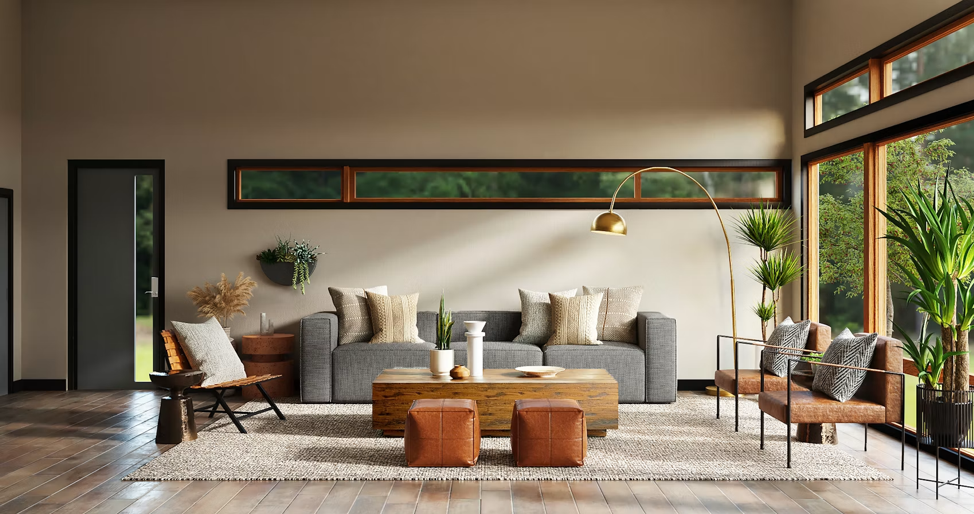
Good installation protects both the design and the surrounding room, which is key when considering your living room layout. Before work begins, clear access routes and remove pictures, lamps and small furnishings from nearby areas. Cover anything that can’t be moved and discuss how dust, packaging and old materials will be managed.
The sequence should be agreed in advance. Guidance on the custom building process shows why coordinated stages matter when several trades are involved. Plastering, flooring and electrical work may need to happen at specific points around the installation. Confirm who is responsible for each task, including final decorating. If you’re considering wider changes, this guide to designing a home you want to live in can help you connect practical choices with your preferred style.
Ensuring a Perfect Fit
Inspect the finished work in good natural light before signing it off. Look along edges and joins, check that surfaces feel smooth and test every moving part. Doors and drawers should open freely, whilst staircase elements should feel secure under normal use. Small adjustments at this point are usually simpler than arranging a return visit later.
Compare the installation with the approved drawings, paying attention to dimensions, materials and finish colours. Paint and timber can look different under warm bulbs, so view them at several times of day. Ask for written care instructions and details of any guarantees. Keep these with the final plans, product specifications and invoices in case you need maintenance or matching work in future.
Enjoying Your Unique Centrepiece
A bespoke creation needs room to make an impact. Avoid crowding it with too many decorative pieces straight away. Instead, live with the finished design for a few days and notice how light falls across it, where sightlines naturally lead and which surrounding colours complement the materials.
Simple care will preserve the finish. Use cleaning products recommended by the maker, wipe spills promptly and avoid abrasive cloths on painted, polished or glazed surfaces. Seasonal checks can also catch minor movement or wear before it becomes obvious. Most of all, let the feature become part of everyday life. The real pleasure comes when a carefully made staircase, cabinet or architectural detail feels completely at home in its setting.
Image Credit: Unsplash