
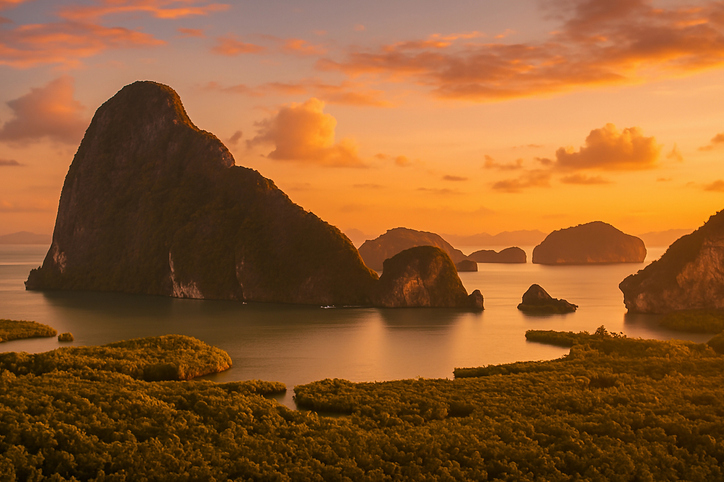
Towering limestone karsts rising dramatically from emerald waters have made Thailand’s Andaman coast a world-renowned destination for discerning holidaymakers. For decades, travellers have flocked to the region to witness these spectacular geological formations and soak in the vibrant tropical climate. However, as global travel rebounds to record levels, finding a peaceful, uninterrupted moment in this celebrated marine paradise requires a bit of strategic planning and insider knowledge.
Escaping the Daytime Crowds
The reality of modern travel is that popular destinations are facing unprecedented pressure from peak-season visitors. Recent data highlights the strain on local infrastructure, with Phuket recently reaching a staggering ratio of 118 tourists for every local resident. Nearby Maya Bay serves as a stark cautionary tale, having been forced to close for four years to rehabilitate fragile coral reefs that were decimated by up to 6,000 daily visitors.
Because of the massive influx of daytime crowds at famous landmarks, a standard daytime James Bond Island canoe trip can sometimes feel more crowded than relaxing. The noise and boat pollution can disrupt the local ecosystems, leading many eco-conscious visitors to seek out quieter, off-peak alternatives. Shifting this bucket-list activity to the late afternoon and evening completely changes the atmosphere, allowing you to experience the bay in its most tranquil and pristine state.
If you are currently reviewing a luxury travel guide to find the most mindful ways to experience Southeast Asia, adjusting your schedule is a brilliant first step. Departing later in the day means you effortlessly bypass the midday rush, enjoying the majestic limestone cliffs as they are painted in the warm, ethereal hues of golden hour before transitioning into a serene, starlit evening.
The Science of Starlight and Bioluminescence
The true magic of a twilight sea safari begins long after the sun sets. Navigating through narrow, jagged limestone tunnels leads you into hidden, collapsed sea cave systems known locally as hongs. In the pitch black of these enclosed lagoons, the water comes alive with a mesmerising natural light show. As your kayak gently glides through the dark water, each paddle stroke leaves a trail of glowing blue light that seems to mirror the starry sky above.
This glowing effect is entirely natural, though it looks like something out of a science fiction film. According to the Latz Laboratory at the University of California San Diego, this phenomenon is actually a rapid burglar alarm defence mechanism. The reaction is triggered by a sudden drop in cellular pH due to mechanical stress, causing the marine plankton to emit light in less than 20 milliseconds, a biological process known as dinoflaJames Bond Island canoe tripgellate bioluminescence. Experiencing this delicate, glowing ecosystem in the quiet of the night is a profound reminder of the ocean’s hidden, spectacular wonders.
Why Eco-Conscious Travel Matters More Than Ever
The modern UK holidaymaker is increasingly aware of their environmental footprint and the impact of their travel choices. A recent industry report revealed that 71 percent of UK travellers want to see comprehensive sustainability information before booking a trip. Furthermore, nearly half of affluent travellers are actively seeking out operators that prioritise genuine sustainable practices over surface-level commitments.
When exploring a fragile environment like Phang Nga Bay, choosing a mindful approach is absolutely essential. Established in 1981, Ao Phang Nga National Park spans 400 square kilometres and protects the largest remaining native mangrove forest in Thailand. The area was even designated as a Ramsar Wetland of International Importance in 2002, cementing its status as a crucial ecological zone.
To ensure your visit supports the long-term preservation of this incredible region, consider the following sustainable travel practices:
- Choose tours that utilise specialised, low-impact equipment. Custom-made caving kayaks, for instance, allow visitors to navigate narrow tunnels safely without damaging delicate, ancient rock formations.
- Support operators with a proven heritage in conservation. Those operating under strict eco-tourism standards (such as the prestigious SKAL International Eco Tourism Award) often have decades of experience in environmental education and community outreach.
- Respect local wildlife and adhere to strict noise limits. Conservation efforts in the bay’s waters have shown highly positive ecological results recently, including increased sightings of vulnerable marine species like the dugong throughout the past few years.
- Minimise your personal carbon footprint by avoiding single-use plastics and excessive water usage, which remain primary concerns for local conservationists working in the Andaman region.
Taking a twilight sea safari is not just about avoiding the tourist crowds or securing the perfect holiday photograph. It is a rare opportunity to connect deeply with nature, witness incredible biological phenomena in total silence, and support the ongoing preservation of one of Thailand’s most spectacular national parks. By choosing to explore the bay responsibly under the stars, you actively become part of the solution for a more sustainable, mindful future in luxury travel.