Meth residue presents a genuine health concern because fine chemical particles can remain on ceilings, painted walls, carpets, curtains, vents, and fittings long after use stops. Contamination may result from smoking, manufacturing, storage, or incomplete cleanup. A professional service uses sampling, risk assessment, controlled removal, washing, and clearance testing. For homes, rentals, workplaces, and vehicles, this process helps protect occupants before repairs, sales, leasing, or re-entry.
Why Residue Is Risky
Residue can move with smoke, dust, damp air, and frequent hand contact, then settle on paint, plasterboard, cabinetry, and flooring. After an initial screening visit, meth decontamination cleaning helps map affected rooms, reduce exposure, and set measurable clearance goals. Standard domestic wiping may spread residue into cleaner zones, especially through cloths, buckets, or vacuum exhaust.
Testing Comes First
A trained technician begins with a site review and sampling plan. Swabs are usually taken from high-contact surfaces, sleeping areas, kitchens, bathrooms, ventilation points, and visible staining. Laboratory results define the scope of work. Without sound testing, crews may overlook contaminated zones or strip materials needlessly. Clear data also supports tenancy records, insurance files, and post-clean verification.
The Site Is Controlled
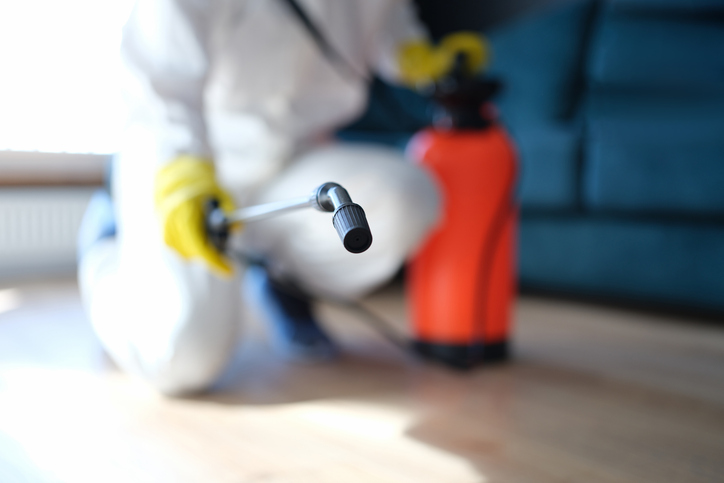
Safe work starts before any washing begins. Access may be restricted, rooms may be isolated, and airflow may be managed to stop dust transfer. Workers choose protective equipment based on contamination levels and site hazards. Entry routes, waste paths, and tool stations are planned carefully. These controls protect cleaners, occupants, neighbours, and shared areas such as stairwells or lifts.
Porous Items Need Review
Soft materials often hold residue below the surface. Carpet, underlay, fabric furniture, mattresses, curtains, insulation, and paper goods may require disposal rather than cleaning. Some belongings can be assessed on a case-by-case basis, especially if exposure was limited. Sentimental value deserves respect, but health risk carries greater weight. Decisions should reflect test results, material type, and likely absorption.
Hard Surfaces Are Washed
Non-porous surfaces usually need repeated washing with compatible cleaning agents. Technicians work across walls, ceilings, floors, doors, benches, cupboards, windows, and fittings. Agitation, rinsing, extraction, and drying may all be used. Each pass aims to loosen bonded residue without damaging paint, timber, joinery, or electrical fixtures. Careful technique reduces both contamination and avoidable repair costs.
Hidden Areas Matter
Meth residue often reaches places that look untouched. Behind appliances, in wardrobes, around extractor fans, and near heat pumps, contamination can persist even when visible rooms appear clean. Ceiling spaces, subfloors, ducting, and service cavities may also need inspection. If hidden pathways are missed, residue can return through dust movement or ventilation. Thorough checks prevent false reassurance.
Waste Is Managed Safely
Removed items and used protective gear must be handled as contaminated waste. Filters, disposable cloths, soft furnishings, and wash materials may need bagging, labelling, secure transport, and approved disposal. Poor waste handling can expose workers or transfer residue into vehicles, hallways, trailers, and shared bins. Safe disposal is part of the health response, not a separate task.
Verification Proves Results
Cleaning is incomplete until results show acceptable levels. Follow-up sampling checks selected rooms and surfaces against recognised guidance. If a sample fails, further washing, removal, or investigation may be required. Passing results give owners, tenants, property managers, and employers a documented basis for decisions. Verification also helps prevent guesswork during repairs, relisting, or reoccupation.
Why Skill Changes Outcomes
Good meth cleanup depends on chemistry, building knowledge, sampling discipline, and occupational health practice. Experienced teams know which materials absorb residue, which surfaces tolerate repeated washing, and where contamination often hides. That judgement reduces wasted labour and limits unnecessary demolition. It also helps prevent well-meaning shortcuts that create dust, spread residue, or leave occupants exposed.
Common Mistakes To Avoid
Painting over residue is one of the most common errors. Scented sprays, steam cleaning, and quick mopping can also create a false sense of safety. Cleaning before testing may disturb evidence and make decisions harder. Unprotected people should not sort belongings until the risk is known. Early technical advice can reduce exposure, cost, and stress.
What Owners Should Prepare
Owners can help by gathering access details, known history, prior reports, floor plans, and any safety concerns. Power and water may need to remain available for lighting, washing, ventilation, and drying. Residents, pets, and non-essential workers should stay away from the job. Clear information helps technicians plan equipment, timing, containment, waste removal, and final reporting.
Conclusion
Professional meth cleanup is a structured health and safety process, not a heavier version of housework. Testing identifies the problem; containment limits spread; removal addresses absorbent materials; washing treats hard surfaces; and verification confirms progress. Each step reduces uncertainty for people who may later enter the property. With skilled support, owners gain clearer evidence, safer rooms, and practical options for repair, rental, sale, or return.